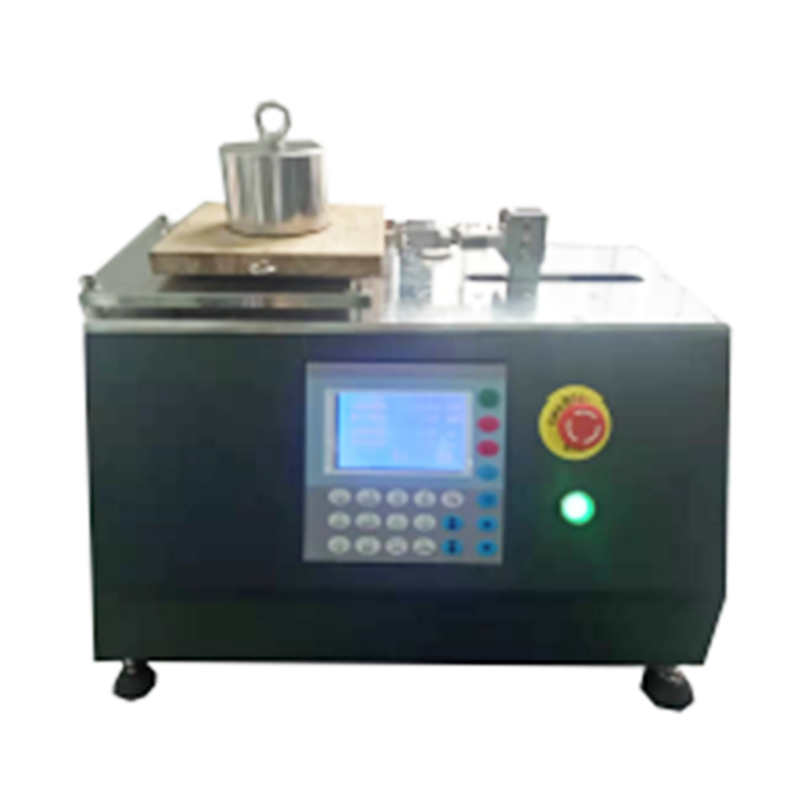
In eraser quality evaluation, test consistency matters just as much as the eraser itself. If the line sample is not prepared in a standardized way, the final erasure result can vary from one operator, lab, or production batch to another. That is why the LT-WJB15A erasure rate testing machine is important. It is designed to produce standardized colored paper samples used in erasure rate testing, making it a key part of a repeatable and controlled eraser test workflow.
The product is also commonly referred to as a coloring paper making machine, and in some market pages it appears under names such as word erasure rate tester or colored paper making machine. Although the wording varies, the core function is the same: the machine prepares a standard pencil mark on test paper so that eraser performance can be assessed in a more objective way. This terminology confusion is common across supplier pages, which creates a valuable SEO opportunity for a better, clearer article that explains exactly what the equipment does and where it fits in the test sequence.
What Is the LT-WJB15A Erasure Rate Testing Machine?
The LT-WJB15A is a laboratory testing instrument used in eraser performance testing. More specifically, it is used to prepare the standard colored line or marked sample required before the actual rubbing or erasing stage begins. In product information published by the manufacturer, the complete word erasure rate tester is described as a two-machine setup consisting of a colored paper making machine and an eraser machine. The LT-WJB15A represents the paper-marking stage of that process, where a controlled pencil line is created under specified angle, load, and speed conditions.
This distinction is important for buyers. Some users search for a “full erasure rate tester,” while others are specifically looking for the coloring paper making machine used to produce the test sample. A high-quality product article should address both search intents. From an SEO and conversion perspective, the best approach is to explain that the LT-WJB15A is not just another stationery testing device. It is a specialized preparation unit for standardized eraser testing, especially in quality control, product development, and compliance-oriented lab environments.

LT-WJB15A Eraser Efficiency Tester
Why Standardized Coloring Paper Matters in Eraser Testing
In eraser testing, the quality of the test result depends heavily on the consistency of the test mark. If the line is drawn manually, variables such as hand pressure, pencil angle, line width, and drawing speed can change from one test to the next. These inconsistencies make it difficult to compare products, validate production batches, or build trustworthy lab reports. A standardized line-making process reduces these variables and improves repeatability.
That is why the LT-WJB15A erasure rate testing machine matters. Instead of relying on manual operation, it applies a controlled method for line preparation using a specified HB pencil, a defined angle, a fixed load, and a fixed line speed. This makes the machine particularly useful for eraser manufacturers, stationery brands, OEM/ODM factories, and third-party laboratories that need more consistent pre-test sample preparation.
How the LT-WJB15A Works in the Erasure Test Process
The published test workflow is straightforward but technically important. First, a high-grade HB pencil sharpened to a 0.6 mm tip is brought into contact with test paper fixed on the drum of the coloring paper making machine. The pencil contacts the surface at a 75° angle under a 0.3 kgf load, and the machine draws a line across the test paper at a controlled speed. This prepares the standardized sample needed for the next stage of testing.
After the sample is prepared, the test paper is transferred to the erasing stage. In the broader erasure rate test workflow described on related product pages, the eraser test piece is placed in vertical contact with the prepared pencil line. It is then rubbed back and forth four times under a standard load of 0.5 kg at a fixed speed. Once the rubbing stage is completed, the remaining mark concentration can be assessed. This sequence shows why the coloring paper making stage is essential: poor sample preparation leads to poor test reliability downstream.
For laboratories that care about repeatability, the real value of the LT-WJB15A lies in this front-end control. When the sample-marking stage is standardized, eraser performance data becomes more meaningful for product comparison, internal quality control, and technical reporting. In practical terms, this can help reduce operator-to-operator variation and improve the consistency of evaluation across multiple test cycles.
Technical Specifications of the LT-WJB15A
Based on the product information currently available, the LT-WJB15A includes the following key technical references:
Pencil load: 0.3 kgf (300 g)
Pencil requirement: HB pencil, sharpened to 0.6 mm
Pencil-to-cylinder angle: 75°
Production width: 8 mm
Test paper: 80 g/m²
Power supply: AC 220V, 50Hz
Dimensions: 450 × 470 × 600 mm
In related listings for similar or equivalent configurations, the line-making speed is described as 310 ± 10 cm/min, which aligns with the process description shown across multiple supplier pages. However, buyers should confirm the final approved specification sheet with the supplier before quotation or procurement, especially if the equipment will be used in a formal lab or compliance workflow.
These parameters are not just numbers on a data sheet. Each one supports better control of the test sample. The 0.6 mm pencil tip helps keep line geometry consistent. The 75° angle and 0.3 kgf load help standardize contact conditions. The fixed line width improves comparability between tests. For serious buyers, understanding how these parameters affect repeatability is more useful than simply reading a short parameter list. That is one reason a detailed product article can outperform typical thin competitor pages in search and conversion.
Standards: QB/T 2309, Legacy References, and Buyer Considerations
Most published product pages connected to this test setup refer to QB/T 2309-2010, especially in relation to eraser testing and erasure rate procedures. At the same time, publicly available standard information shows that QB/T 2309-2020 is the current valid version, while QB/T 2309-2010 is listed as obsolete and superseded. For that reason, professional buyers should not stop at the short line “conforms to QB/T 2309-2010.” They should also review the current applicable edition and confirm which version their lab, customer, or certification workflow requires.
This does not mean the LT-WJB15A is unsuitable. It means the article should present the standard relationship correctly and transparently. A professional product page should explain that the original product reference cites QB/T 2309-2010, while current procurement and compliance teams may also need to evaluate the latest valid version of the standard. That level of clarity is often missing from ranking pages, and adding it improves both trust and SEO depth.
Public testing guidance pages also show that “word erasure rate” is a core performance item in eraser evaluation. This helps explain why standardized sample preparation is so important. If the test line is inconsistent, the measured erasure performance may not reflect the true product quality. For buyers building a reliable testing workflow, the sample preparation stage should be treated as a core technical requirement, not an accessory step.
Typical Applications for the LT-WJB15A
The LT-WJB15A erasure rate testing machine is most relevant to industries and labs that work with eraser products and stationery quality evaluation. Eraser manufacturers can use it during product development, incoming material comparison, and finished-product quality control. Stationery brands and OEM/ODM factories can use it to create more standardized internal testing routines before shipment or customer approval. Third-party labs and technical service providers may also find it useful when building repeatable eraser test workflows.
Another advantage is that the broader supplier ecosystem around this product category often supports customization, installation, and training services. That matters because not every buyer needs the exact same setup. Some labs may only need the coloring paper making stage, while others may need a complete erasure rate testing solution that includes the rubbing stage, control features, and integrated data handling. A well-written product article should acknowledge these use cases and help buyers identify the right configuration.
How to Choose the Right Erasure Rate Testing Setup
If you are evaluating the LT-WJB15A, the first question to ask is whether you need a standalone coloring paper making machine or a complete erasure rate testing system. Many buyers search for “erasure rate tester” when what they actually need is only the sample-preparation unit. Others need the full workflow, including the erasing stage, test cycle control, and data recording support. Clarifying your testing objective before requesting a quote can save time and reduce procurement mistakes.
You should also confirm the applicable standard version, required consumables, operator training needs, and after-sales service scope. For example, ask which pencil and test paper specifications are recommended, whether the machine can be configured for your lab workflow, and whether installation or maintenance support is available. These questions are especially important for buyers who need consistency across multiple test operators or who plan to use the machine as part of a documented quality system.
Conclusion
The LT-WJB15A erasure rate testing machine is more than a simple stationery tester. It is a purpose-built coloring paper making machine used to prepare standardized pencil-marked samples for eraser evaluation. Its value lies in test consistency, sample repeatability, and better control of one of the most critical steps in erasure testing. For manufacturers, labs, and quality teams, that makes it an important tool in a more reliable eraser test process.
Compared with many current ranking pages that provide only a short description and a basic parameter list, a stronger product article should explain the machine’s role, clarify naming confusion, connect the product to the test workflow, and present standards information responsibly. If your goal is to publish a page that ranks better, informs technical buyers, and generates more qualified inquiries, this is the direction to take.
Last Article:Master Material Strength: The Ultimate Guide to the Single Column Benchtop Tensile Tester
Next Article:No More