Introduction
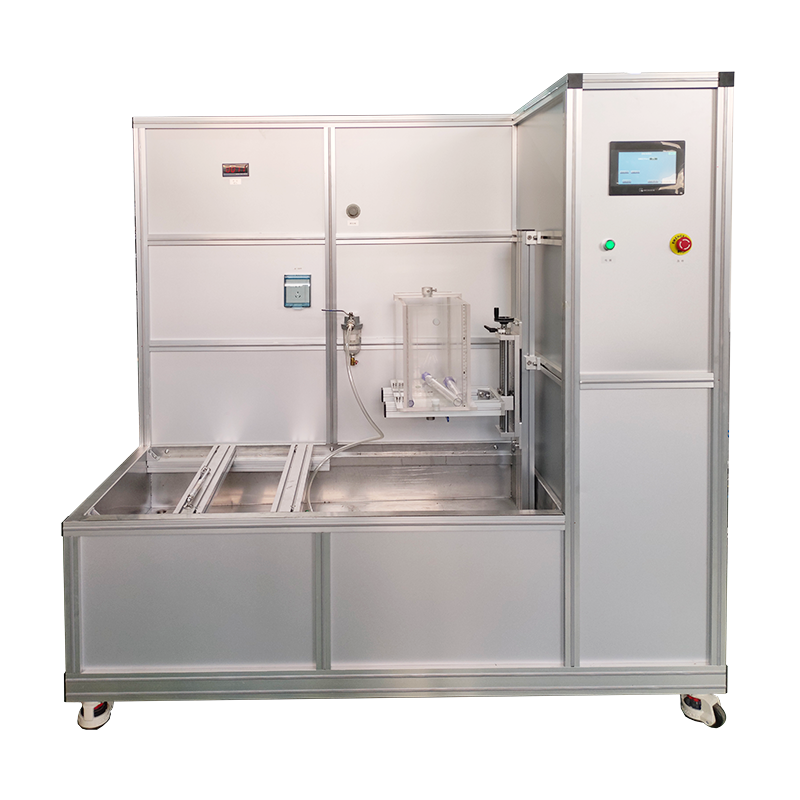
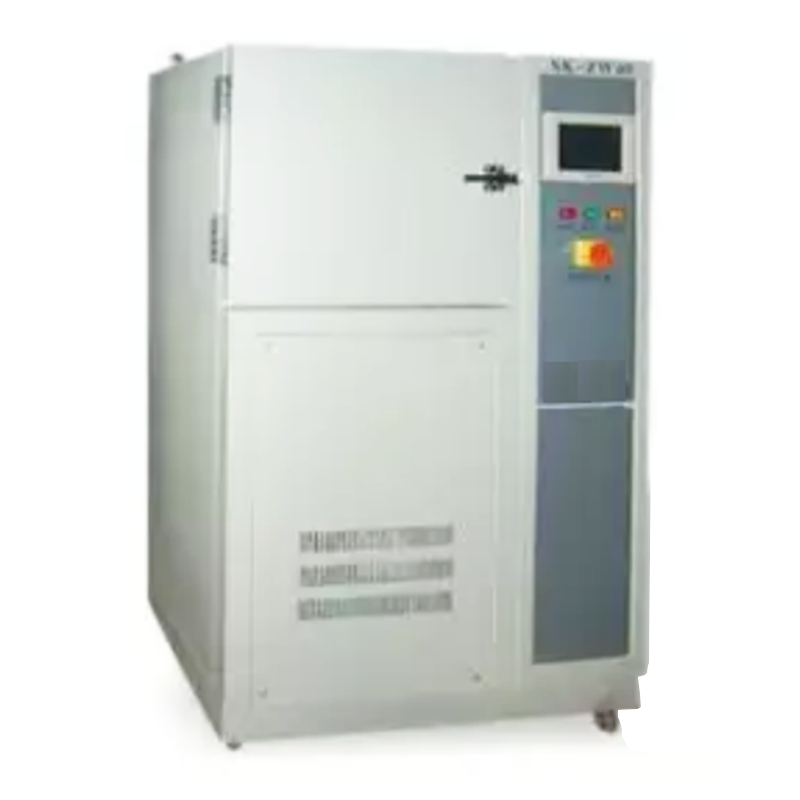
The Saline Spray Test Machine, also known as a Salt Spray Corrosion Test Chamber, is an essential instrument for assessing the corrosion resistance of surface-treated materials. It is widely used in automotive, aerospace, and electronic industries to evaluate coatings, plating, and anti-corrosion finishes under controlled salt fog conditions.
1. What Is a Saline Spray Test Machine?
The machine simulates corrosive environments by spraying a fine mist of saline solution onto test samples, accelerating corrosion to determine coating durability. It supports multiple international standards:
NSS (Neutral Salt Spray Test)
ACSS (Acetic Acid Salt Spray Test)
CASS (Copper Accelerated Acetic Acid Salt Spray Test)
These comply with ASTM B117, ISO 9227, and JIS Z 2371 standards for corrosion testing.
2. Technical Specifications
Test space: 600 × 450 × 400 mm
Outer box size: 1070 × 600 × 1180 mm
Maximum test liquid capacity: 15 L
Saline spray test: 35°C ±1°C (lab) / 47°C ±1°C (air bucket)
CASS test: 50°C ±1°C (lab) / 63°C ±1°C (air bucket)
Air supply system: dual-segment, 1 kg/cm²
Spray rate: 1–2 mL / 80cm² / h (16-hour average)
Spray mode: Continuous, uniform, clog-free operation
3. Working Principle
The Saline Spray Test Machine works by atomizing a salt solution using the Bernoulli principle, producing a uniform fog distributed inside the chamber. This environment allows accurate corrosion simulations that replicate years of exposure in a short time.
Key Components:
Glass nozzle: Adjustable and clog-free for precise spray volume.
Pressure air bucket: Ensures temperature and pressure stability.
Corrosion-resistant chamber: Built with long-lasting materials for durability.
4. Testing Applications
This equipment is ideal for corrosion testing of coatings, paints, metal surfaces, and electronic components. Common industries include automotive, aerospace, marine, and electronics manufacturing.
5. Key Features and Advantages
High-precision temperature control for consistent test conditions.
Uniform spray distribution with no salt crystallization.
Energy-efficient design with stable operation.
Durable construction with anti-corrosion inner chamber.
User-friendly control system for easy monitoring.
6. Test Methods and Duration
| Test Type | Temperature | Duration | Purpose |
|---|
| NSS | 35°C ±1°C | 24–96 hours | General coating corrosion evaluation |
| ACSS | 35°C ±1°C | 48–240 hours | Acetic acid corrosion resistance test |
| CASS | 50°C ±1°C | 16–48 hours | Severe corrosion test for copper-acid coatings |
7. Why Choose This Saline Spray Test Machine
With precision temperature control, dual-segment air system, and clog-free spray design, this equipment meets the highest testing requirements for durability and corrosion resistance. It’s ideal for R&D, product certification, and factory quality inspection.
Conclusion
The Saline Spray Test Machine provides a reliable, standardized, and efficient way to evaluate material corrosion resistance. By replicating real-world environmental conditions, it helps manufacturers ensure the long-term durability and quality of their products.
Last Article:Vertical Impact Drop Test Machine: Advanced Solution for Packaging Strength and Durability Testing
Next Article:Microcomputer Tension Test Machine: Precision Equipment for Accurate Tensile Strength Testing