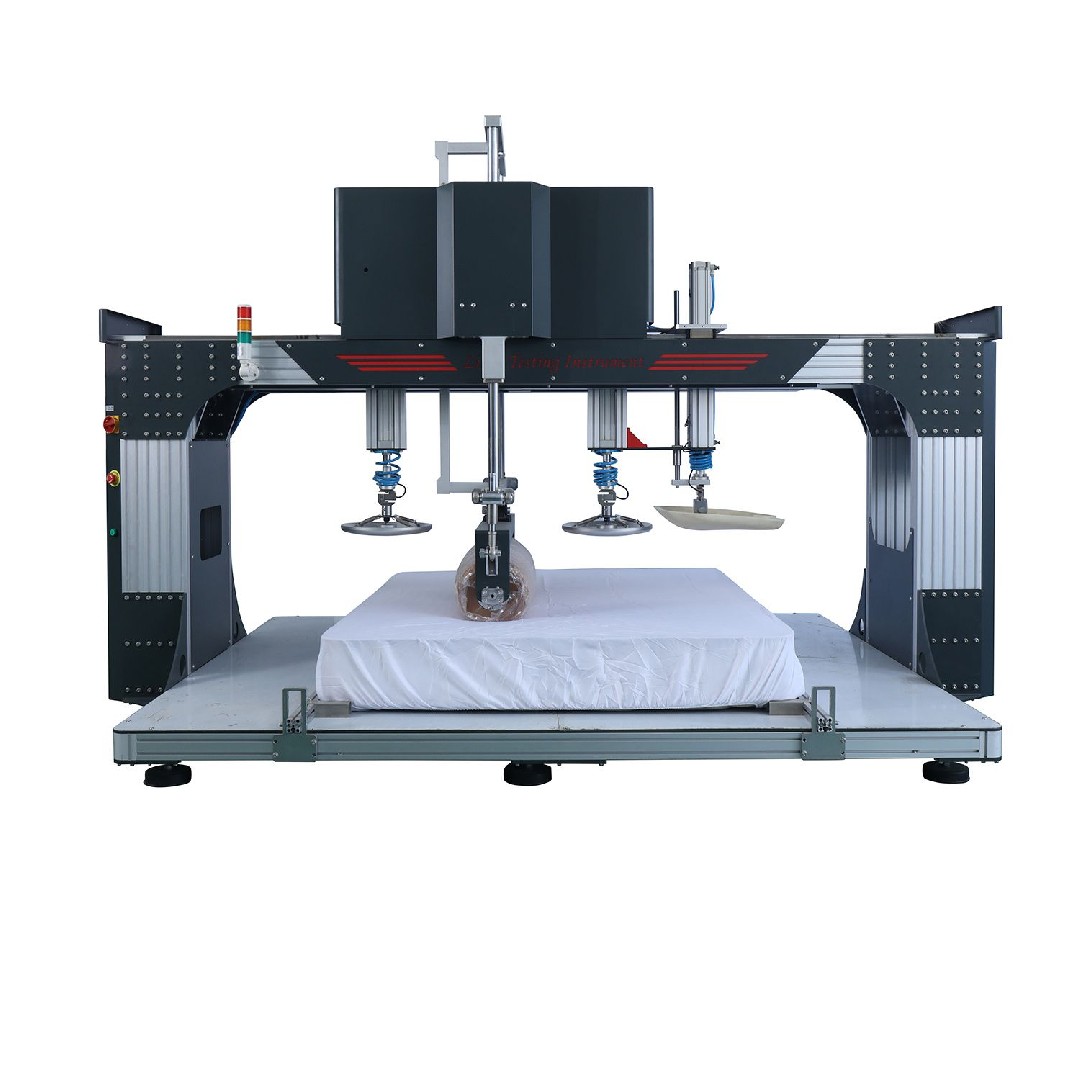
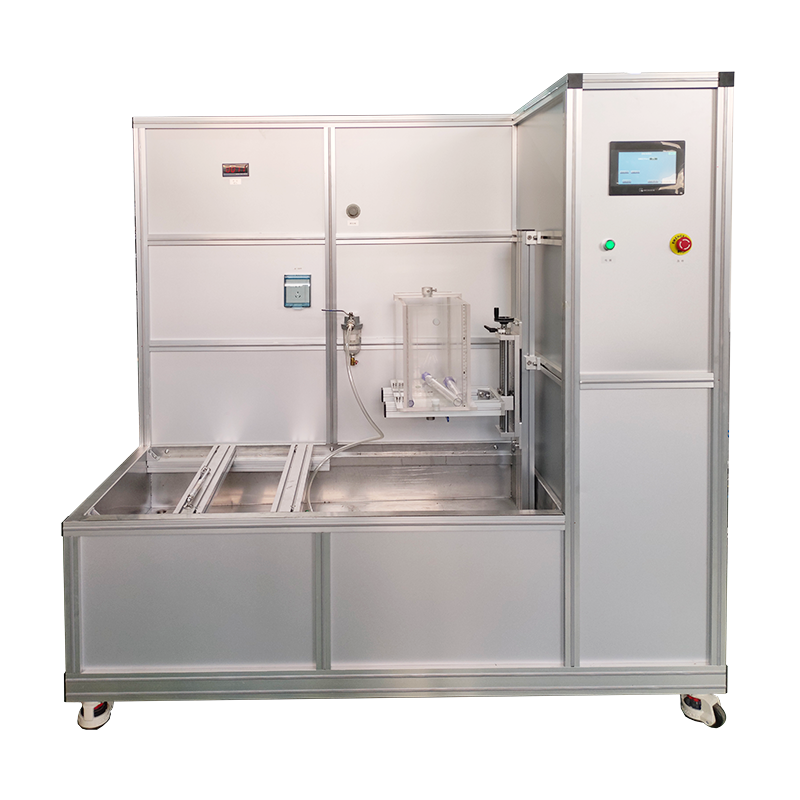
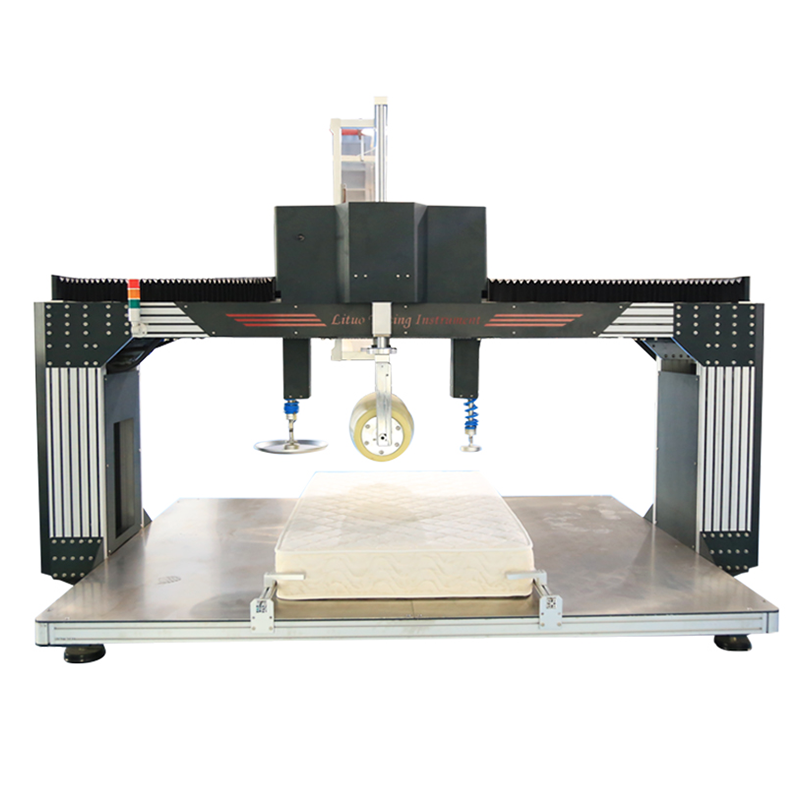
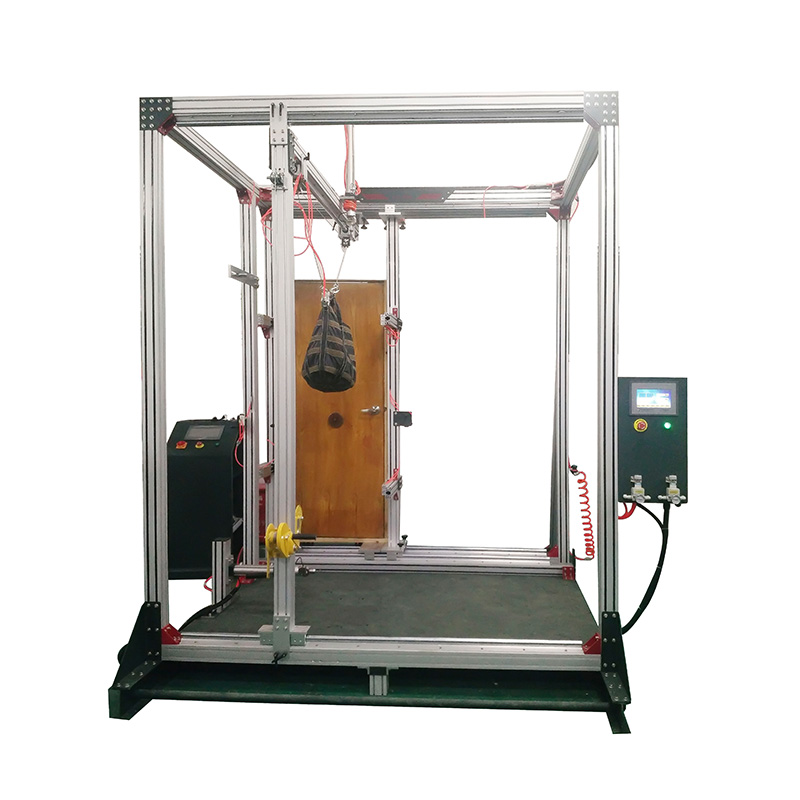
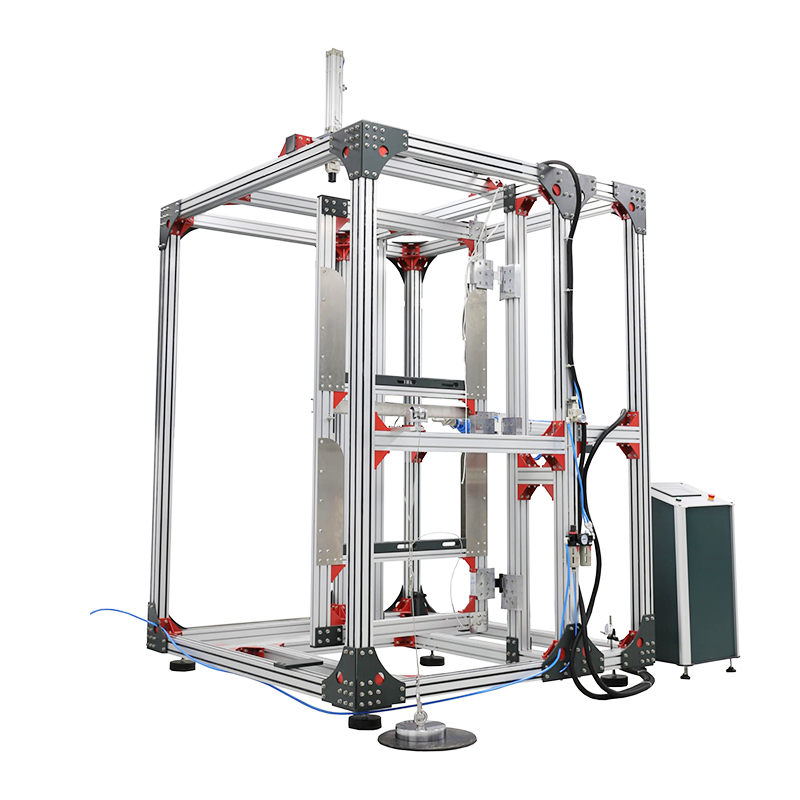
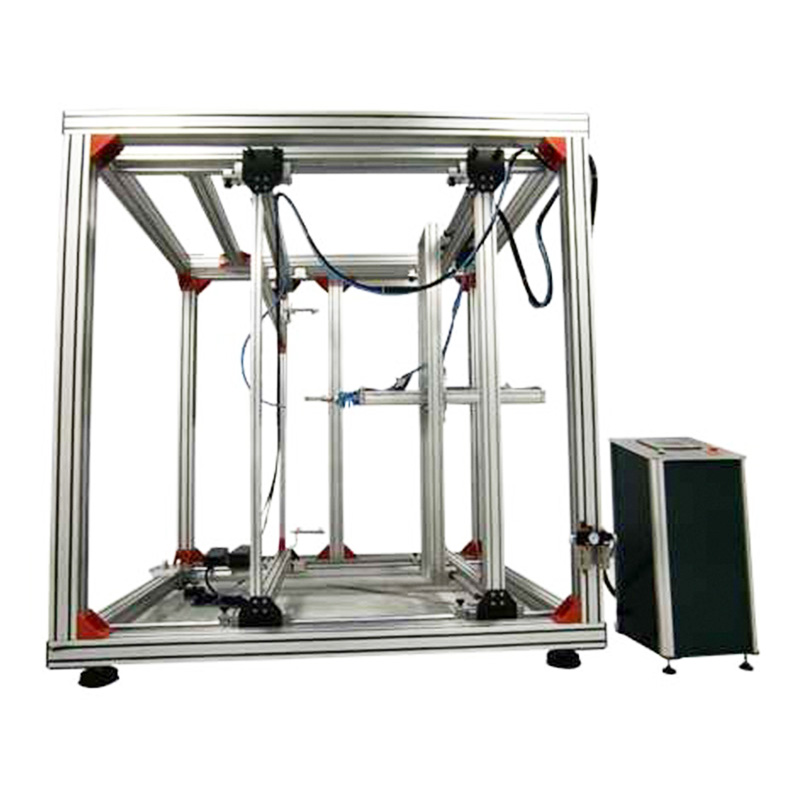
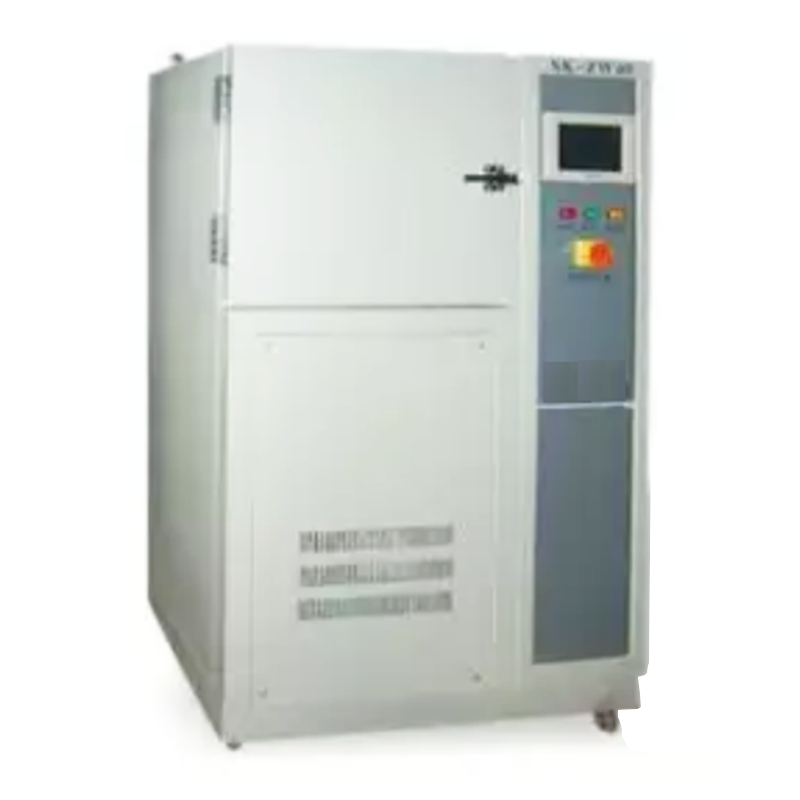
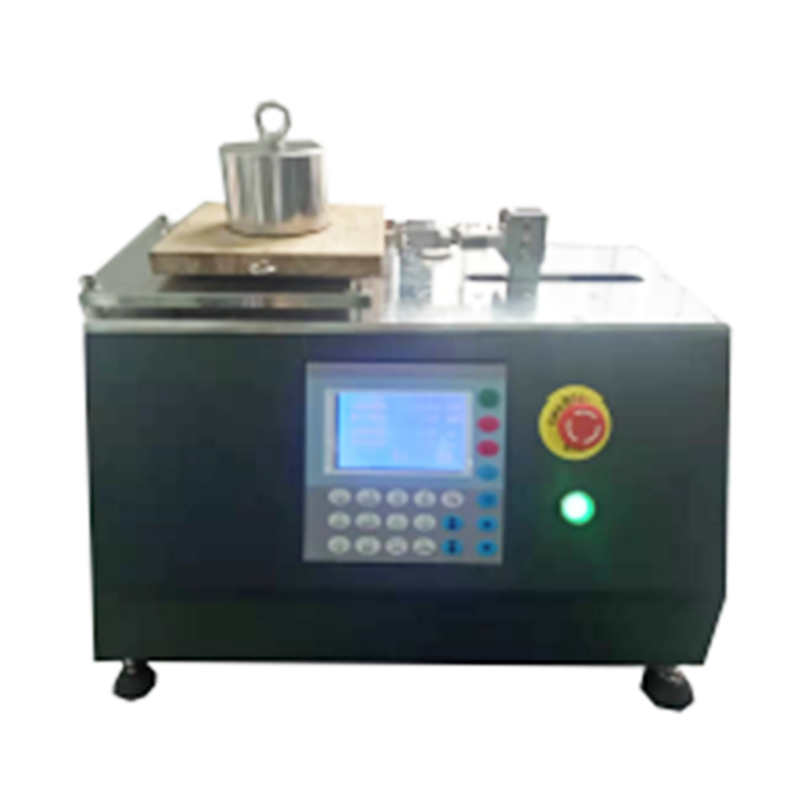
In the world of furniture manufacturing, where aesthetics and functionality converge, ensuring the durability, safety, and compliance of each piece is paramount. At the heart of this quality assurance process lies the furniture testing machine — a sophisticated tool designed to put furniture through rigorous trials, simulating years of use in a matter of hours. These machines play an indispensable role in validating that chairs, tables, sofas, and other furnishings meet industry standards, protect consumers, and uphold the reputation of manufacturers.

Furniture testing machines are engineered to replicate real-world conditions, exposing potential weaknesses that might otherwise go unnoticed. For seating, such as chairs and sofas, a common test involves repeated weight application to simulate the act of sitting and standing. Machines with precision-controlled pneumatic or hydraulic systems can apply a specified load thousands of times, measuring how well the frame, springs, upholstery, and joints withstand the stress. This test is crucial for preventing structural failures, such as broken legs or collapsed seats, which could lead to injuries or product recalls.
Tables and desks, on the other hand, undergo tests focused on stability and load-bearing capacity. A furniture testing machine might apply downward pressure to the tabletop to assess its resistance to heavy objects, or simulate lateral forces to check for wobbling — a critical factor in ensuring safety, especially in environments with children or elderly users.
Upholstered furniture faces additional challenges, including wear and tear on fabrics and resistance to stains. Specialized testing machines rub fabric samples against abrasive materials to measure durability, or spray liquids to evaluate stain resistance, ensuring that the furniture remains both functional and visually appealing over time. These tests not only protect consumers but also help manufacturers select high-quality materials and improve design processes.
Beyond safety and durability, furniture testing machines also play a key role in regulatory compliance. Different regions and countries have strict standards for furniture, covering aspects such as flammability, chemical emissions, and structural integrity. For example, in the European Union, furniture must adhere to standards set by organizations like EN (European Norm), while in the United States, the ASTM International standards are widely followed. A reliable furniture testing machine can accurately measure parameters such as flame spread, formaldehyde emissions, or structural strength, providing manufacturers with the data needed to certify their products and access global markets.
The advancement of technology has further enhanced the capabilities of furniture testing machines. Modern models often feature computerized controls and data logging systems, allowing for precise adjustment of test parameters and automatic recording of results. This not only improves the accuracy and repeatability of tests but also streamlines the quality control process, enabling manufacturers to quickly identify and address issues. Some machines even incorporate artificial intelligence, which can analyze test data to predict potential failures or suggest design improvements, driving innovation in the industry.
Choosing the right furniture testing machine depends on the specific needs of the manufacturer. Factors such as the type of furniture being produced, the relevant industry standards, and the volume of testing required all influence the selection. For small-scale manufacturers, compact machines that focus on core tests like seating durability may be sufficient. Larger companies, however, might invest in multi-functional systems that can handle a wide range of tests, from structural integrity to material analysis, ensuring comprehensive quality control across their product lines.
In conclusion, the furniture testing machine is more than just a piece of equipment — it is a cornerstone of quality assurance in the furniture industry. By simulating real-world use, validating compliance with standards, and providing actionable data, these machines help manufacturers create products that are safe, durable, and reliable. As consumer expectations for quality continue to rise and global regulations become more stringent, the role of furniture testing machines will only grow in importance, ensuring that every chair, table, and sofa that reaches the market is built to last.
Last Article:New Energy Vehicle Lithium Battery Precision Structural Parts Industry
Next Article:Mattress Testing Machine: Ensuring Comfort and Durability Through Rigorous Assessment